Kitulo National Park is a protected area of montane grassland and montane forest on the Kitulo Plateau in the southern highlands of Tanzania. Nicknamed, Serengeti of Flowers, Kitulo National Park is the first National Park in the tropical Africa to be established primarily for its floristic importance
Wildlife
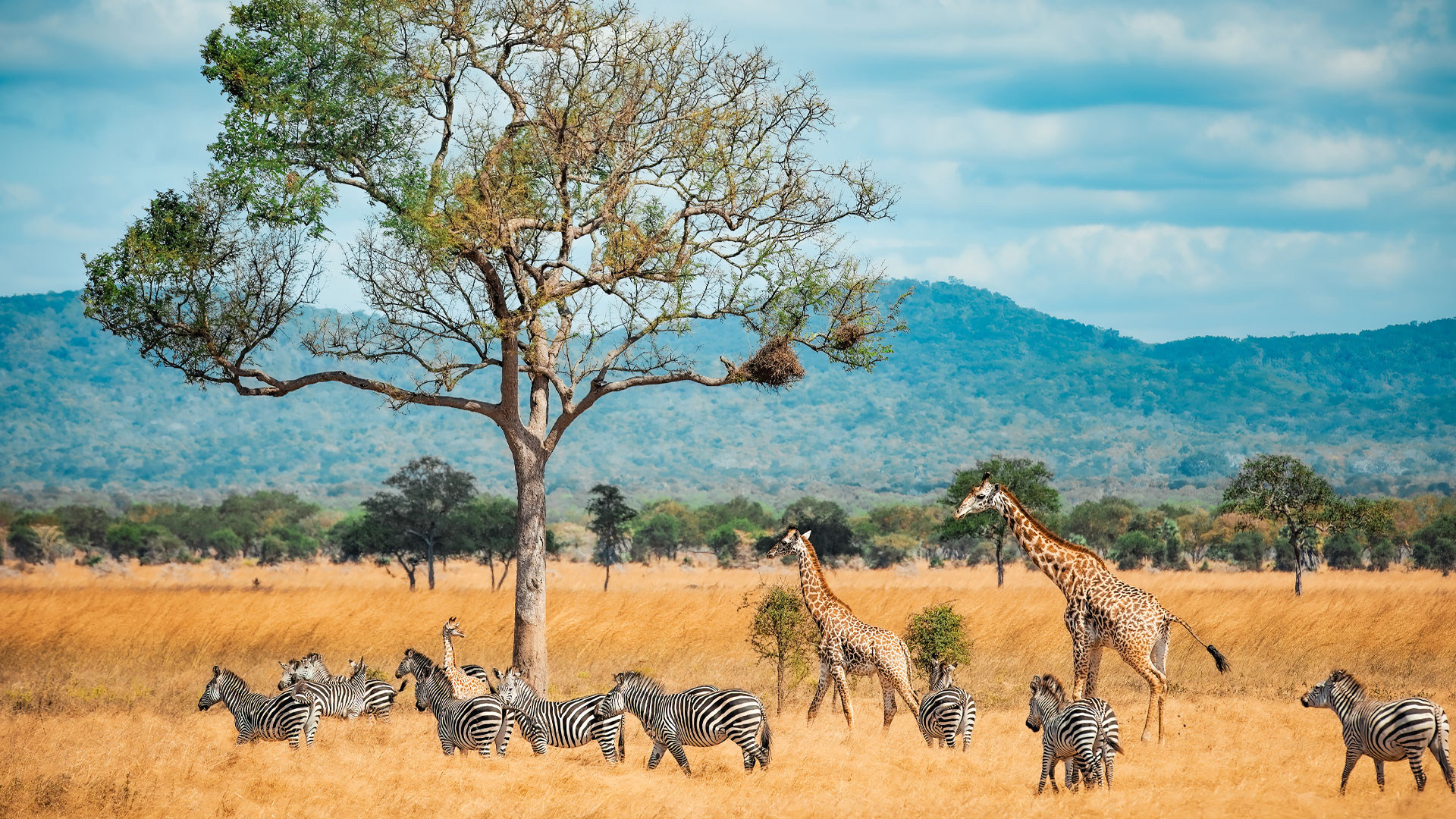
Wildlife features include large animal herds, particularly of Cape Buffaloes, Zebras, giraffes and elephant ,plus along the Katuma river crocodiles and hippopotami which upon annual dry seasons results in modules that can be packed with hundreds of hippos modules.Carnivorous animals that roam this park are cheetahs,wild dogs, hyenas, leopards and lion. Some sources claim a very high biodiversity in the park, although there are also reports of wildlife decline due to illegal hunting and poaching , presumably.
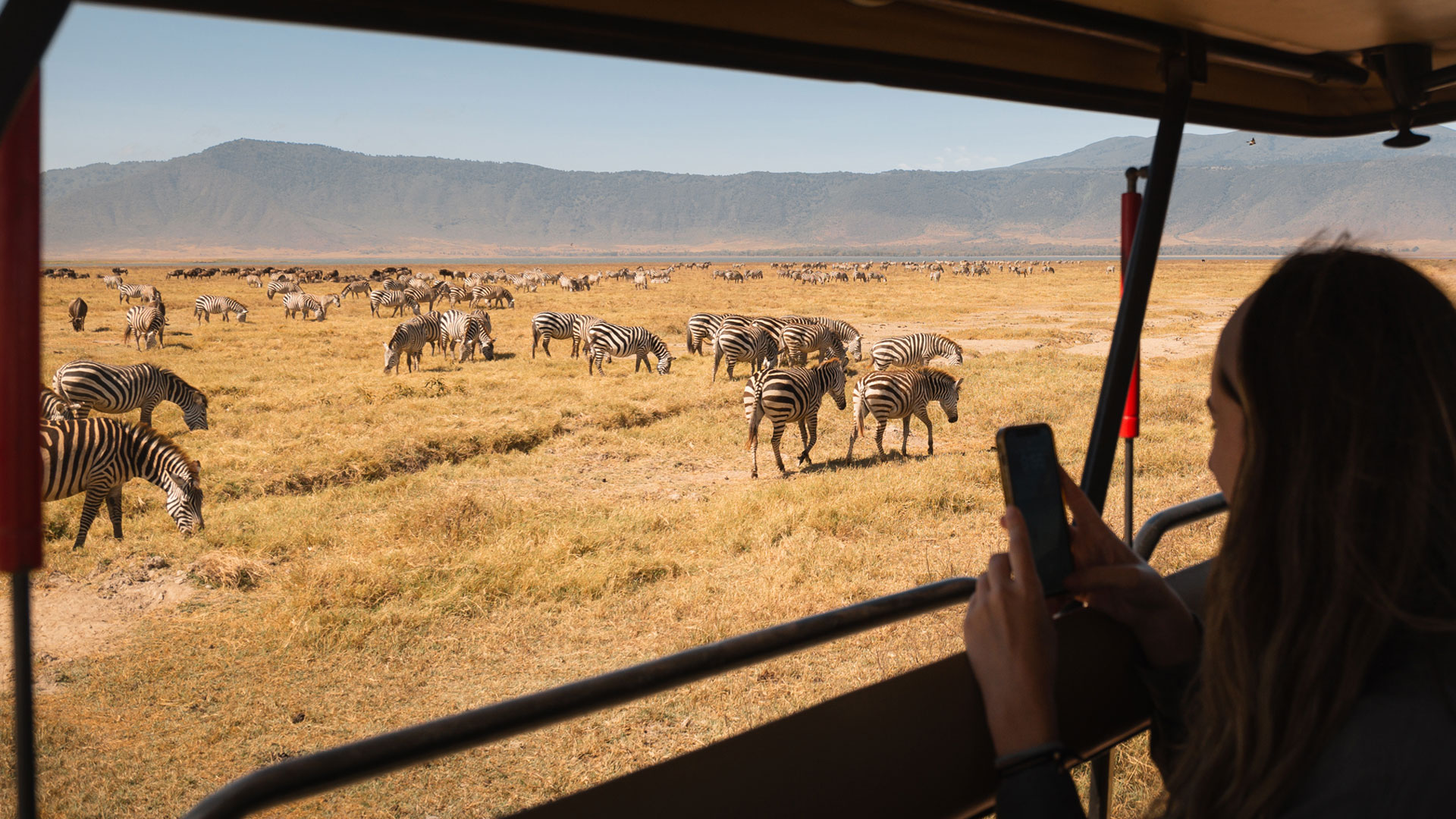
During the Dry season, the Katuma River is packed with hippo, and crocodile can be seen in caves in the river banks. Huge herds of buffalo, zebra and impala gather with elephant and defassa waterbuck around the drying water reserves of Lake Katavi and Lake Chada. Opportunistic lion are never far from the remaining water sources, waiting for their prey to come to them.
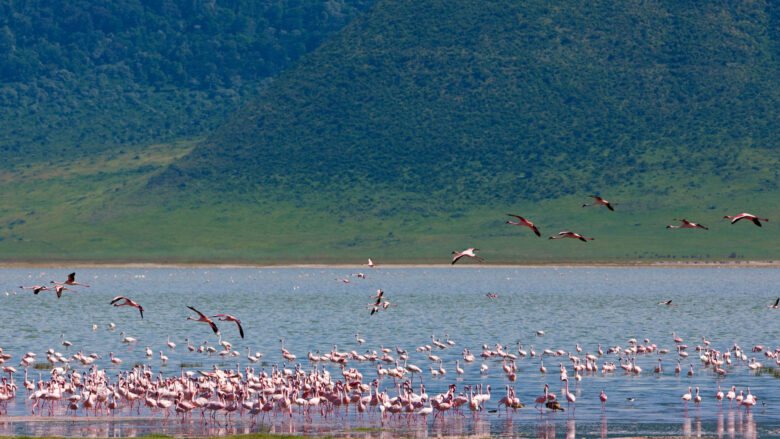
The birdlife in Katavi is good year-round, but at its best from November to April when the migratory birds from Europe and northern Africa are present. At this time, many resident bird species are nesting and are in breeding plumage. The rains usually arrive in November and last until early June. For birding specifically, November to March is the best time. The problem, however, is that many roads become hard to travel after continuous rain. As a result, most camps are closed from March to May. For wildlife viewing, the middle and end of the Dry season (June-October) is considerably better.
How To Get There
Charter flights from Dar es Salaam (Dar) or Arusha are the easiest way to reach the plateau. A tough but spectacular day’s drive from Mbeya (550 km/340 miles), or in the dry season only from Kigoma (390 km/240 miles) is also an option. It is possible to reach Mpanda by rail from Dar via Tabora, then to catch public transport to Sitalike, where game drives can be arranged. If travelling overland, allow plenty of time to get there and back.
Wildlife in Kitulo Plateau National Park
Kitulo’s orchids
Internationally, the flower trade in orchids is large. However, the threat to Kitulo’s orchids came from a different source. In the culture of many ethnic groups the harvest of orchid bulbs for food has a long history. They prepare a dish, known as Chikanda or Kinaka, which is similar to a meatless sausage. After the harvest, they dry the tubers. Then they beat and cook them. Originally a rural delicacy, it was eaten more often in increasing quantities and the gathering of orchids for commercial purposes grew dramatically. This trade was a serious risk to orchids in the southern highlands. Because of it, the plateau became a protected national park. Many visitors also come to Kitulo Plateau national park because its vast abundance of wildflowers, birds, and grass-eating mammals.
Kitulo Plateau National Park highlights
Located at an altitude of 2,600 m
Between the peaks of Kipengere, Poroto and Livingstone
Except for a few mountain reedbucks and eland, the occurrence of large animals in Kitulo is not very large. But plants, birds and butterflies make up for life in the park. The rare chimpanzee, blue swallow, red chalk hawk, njembe stalksinger, kipengere seed eater, steppe harrier, zebra, kipunji monkey, chameleon, lizards, frogs, spiders an other small insects are native to the park. Known as “Garden of God” and “Serengeti of Flowers” Facts about Kitulo Plateau National Park
Area of 412 km2
In the Mbeya / Njombe region
Opened in 2005
400 plant species
More than 45 species of orchids
Best time to visit Kitulo Plateau National Park
Travelers should plan to visit Kitulo during the months of December through April. This is the rainy season for most of Tanzania, but it is the best time to visit Kitulo Plateau National Park for experiencing the abundance and array of flora.
Package Amenities
Swimming Pool
Safari Drive
Sun Downer
Accommodation Amenities
Air conditioner
Cable TV
Wifi & Internet
Towels
Slippers
Hair Dryer
Shampoo
Espresso Machine
Safe Box
Welcome Drinks
Pet Friendly
In-room Refrigerator
What’s included in this package?
- Private balcony
- 140x200 cm Elite bed
- Upholstered seat beside the panoramic window
- TV-UHD screen for watching mountaineering films
- Writing desk with USB ports for documenting your adventures
- Room safe for your top mountain photos
- Service station with Lavazza coffee machine, kettle and tea
- Bathroom with rain shower
- Comfortable terry towels and bathrobes
Get IN TOUCH WITH US AND LET US PLAN YOUR NEXT ADVENTURE
What's Included
- Private balcony
- 140x200 cm Elite bed
- Upholstered seat beside the panoramic window
- TV-UHD screen for watching mountaineering films
- Writing desk with USB ports for documenting your adventures
- Room safe for your top mountain photos
- Service station with Lavazza coffee machine, kettle and tea
- Bathroom with rain shower
- Comfortable terry towels and bathrobes