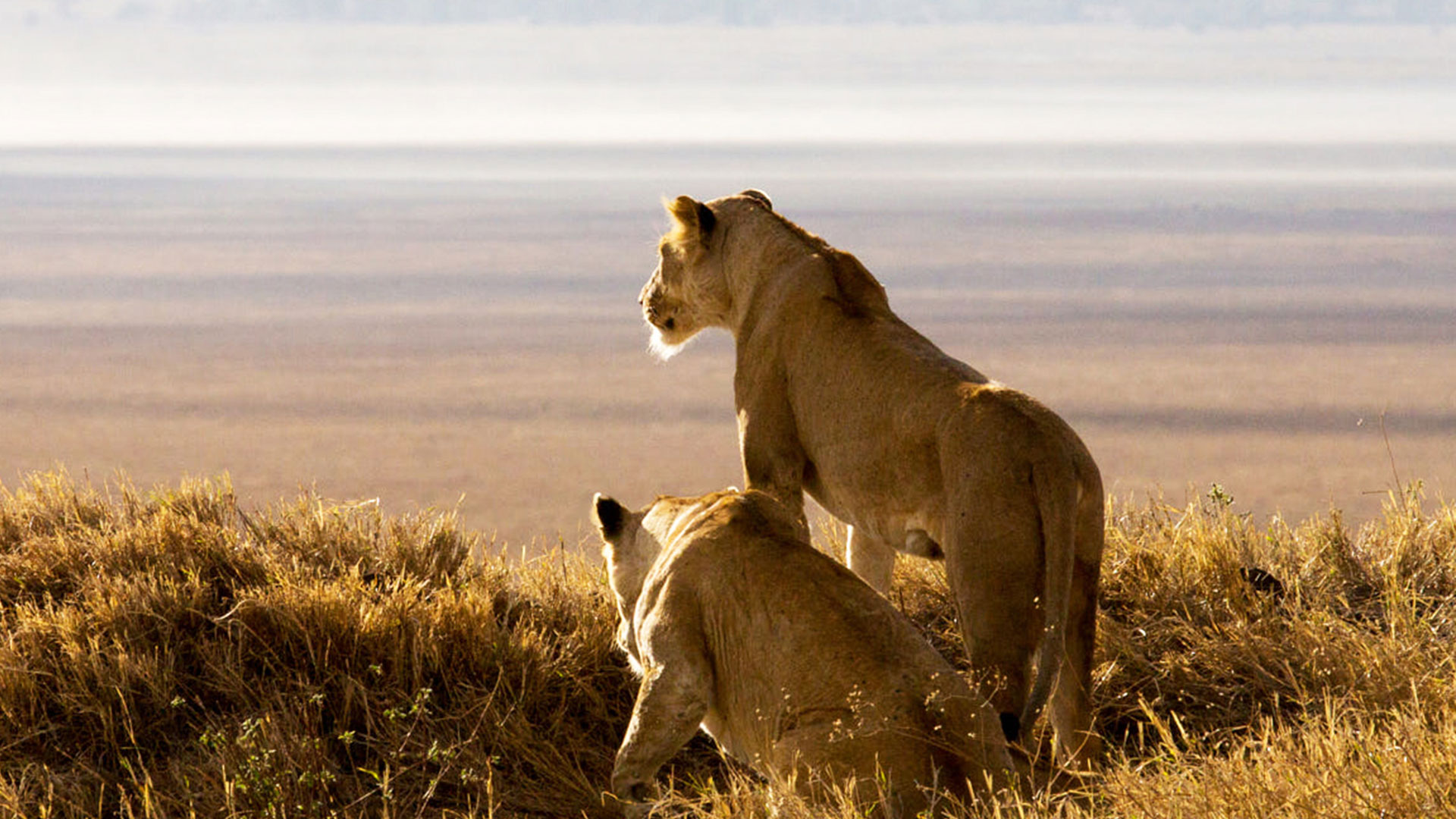
Few parks in Africa can boast the lion numbers that Ruaha National Park delivers. If lions are at the top of your safari agenda, or if you simply want an off-the-beaten-track experience, then Ruaha is for you. As a safari destination, Tanzania offers a wealth of natural beauty and exciting wildlife. Almost a third of the country has been set aside as national parks, conservation areas, game reserves and controlled areas. These areas are crucial in protecting the countries wildlife and conserving the natural habitat biodiversity. One of the most remarkable of these protected areas, is Ruaha Nation Park.
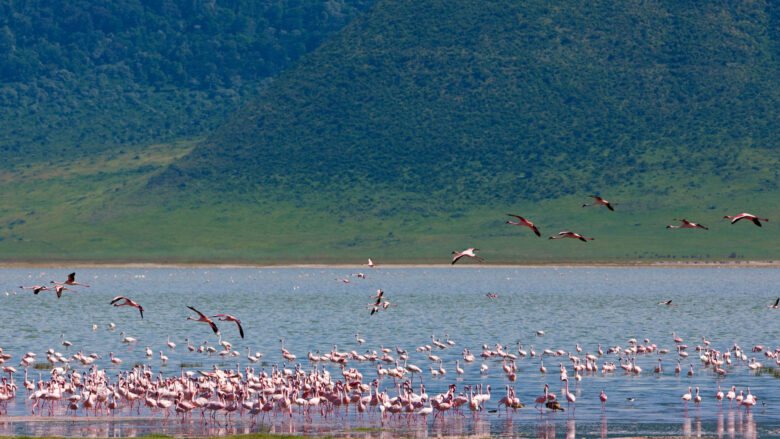
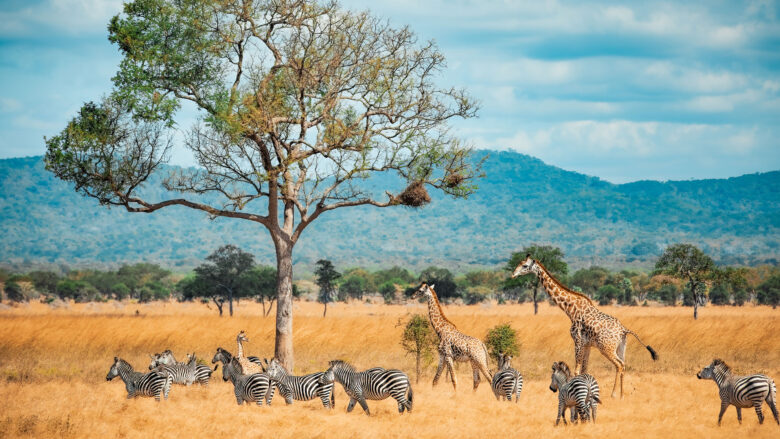
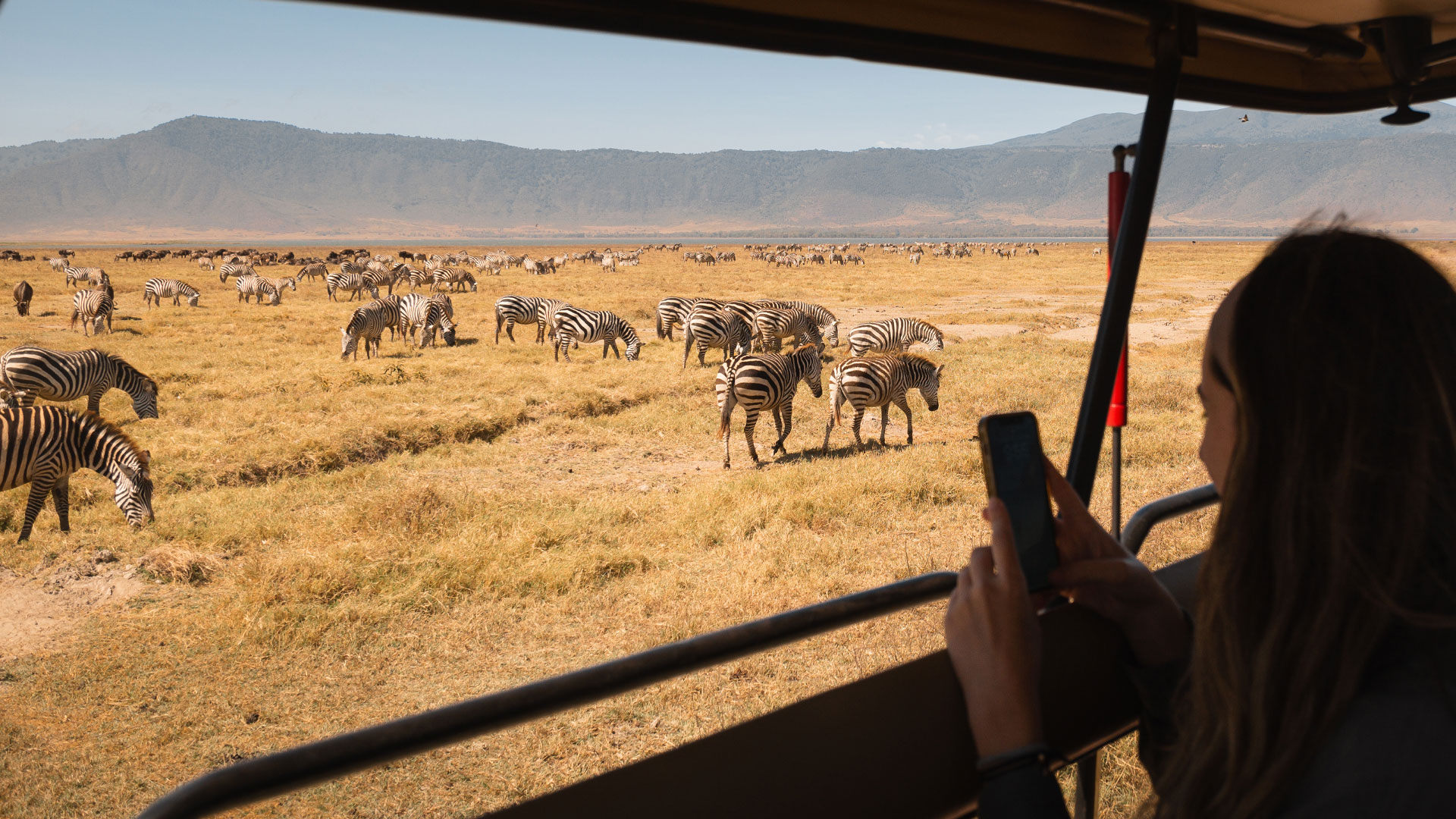
One of the largest national parks in Tanzania, Ruaha offers a vast, diverse, and seasonal landscape that dramatically transforms between the dry and wet seasons. Grassy plains shift from golden to green, barren baobabs produce leaves and flowers, and dry sandy riverbeds run fast and deep towards the Great Ruaha River. Migrant birds follow the change in season, while the behavior of wildlife reflects the changes in availability of access to water. With only a handful of safari camps in an area larger than the Serengeti, Ruaha offers the discerning traveler a sense of exclusivity amongst some of Tanzania’s finest game viewing.
Wildlife
Activities
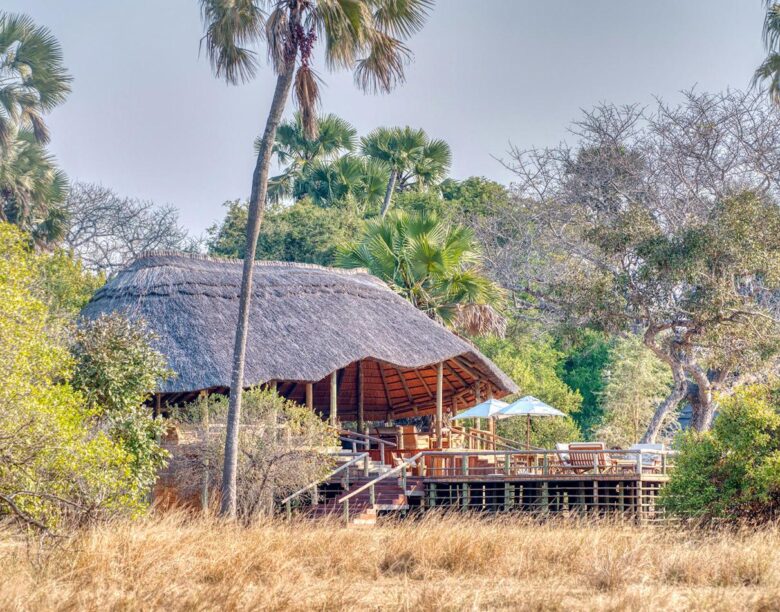
Where to stay
- Kiwala is a frontier-style camp, situated on the banks of the dry Mwagusi Sand River, offering a traditional under-canvas safari experience
- Jabali Ridge is perched on a rocky outcrop in one of the best locations the park has to offer. A sophisticated retreat from which to explore the wilderness of Ruaha.
- Jabal private House offers total privacy and complete flexibility in your safari itinerary. With a private safari vehicle and guide, this is the ultimate base for a family of group of friends
- Usangu Expedition Camp offers an immersive, conservation driven experience for the adventurous traveler . Participate in, and contribute towards, ongoing research initiatives in this largely unexplored wetland wilderness.
Kitulo Plateau National Park highlights
Located at an altitude of 2,600 m
Between the peaks of Kipengere, Poroto and Livingstone
Except for a few mountain reedbucks and eland, the occurrence of large animals in Kitulo is not very large. But plants, birds and butterflies make up for life in the park. The rare chimpanzee, blue swallow, red chalk hawk, njembe stalksinger, kipengere seed eater, steppe harrier, zebra, kipunji monkey, chameleon, lizards, frogs, spiders an other small insects are native to the park. Known as “Garden of God” and “Serengeti of Flowers” Facts about Kitulo Plateau National Park
Area of 412 km2
In the Mbeya / Njombe region
Opened in 2005
400 plant species
More than 45 species of orchids
Package Amenities
Swimming Pool
Safari Drive
Sun Downer
Accommodation Amenities
Air conditioner
Cable TV
Wifi & Internet
Towels
Slippers
Hair Dryer
Shampoo
Espresso Machine
Safe Box
Welcome Drinks
Pet Friendly
In-room Refrigerator
Get IN TOUCH WITH US AND LET US PLAN YOUR NEXT ADVENTURE
What's Included
- Private balcony
- 140x200 cm Elite bed
- Upholstered seat beside the panoramic window
- TV-UHD screen for watching mountaineering films
- Writing desk with USB ports for documenting your adventures
- Room safe for your top mountain photos
- Service station with Lavazza coffee machine, kettle and tea
- Bathroom with rain shower
- Comfortable terry towels and bathrobes